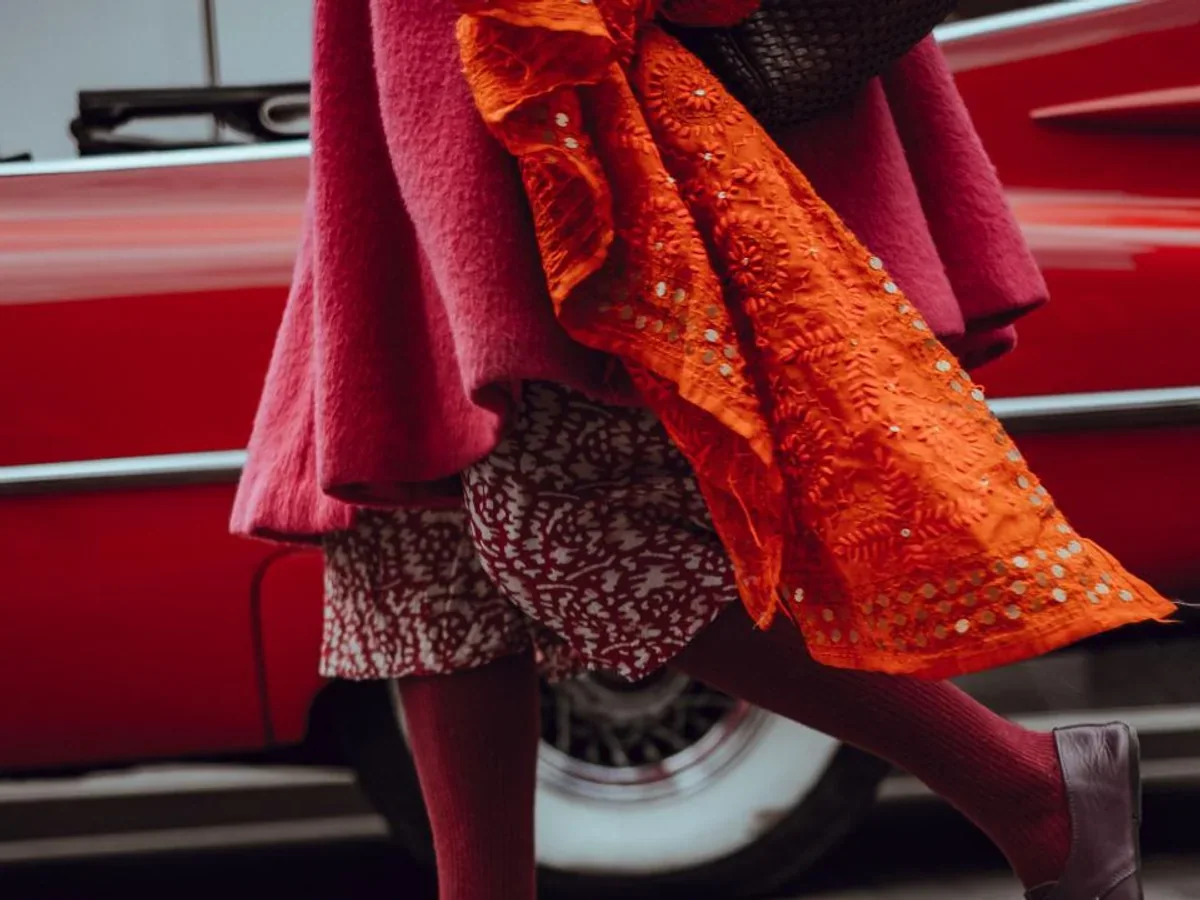
A good wardrobe choice should reduce friction. That standard matters here because length, belt placement, layers, and footwear has to function in rainy commutes and mild-weather travel, not only in a product photograph.
For rainy commutes and mild-weather travel, begin with silhouette and fabric before styling. That order keeps length, belt placement, layers, and footwear from taking over the practical purpose of the outfit.
The short edit
What matters most
- Build the look around length, belt placement, layers, and footwear.
- Judge the fit and fabric in the conditions of rainy commutes and mild-weather travel.
- Compare proportion, care, and cost per wear instead of trend language alone.
- Verify measurements, availability, and return terms before checkout.
Why this direction matters now: length, belt placement, layers, and footwear
When two options appear similar, compare the less visible details: seam finish, lining, pocket placement, closures, the weight of hardware, and how easily the item can be altered. Those details often explain the price difference. For this story, the practical test is length, belt placement, layers, and footwear in rainy commutes and mild-weather travel.
Fabric changes the experience more than many trend descriptions admit. Weight affects drape and warmth, texture changes how casual the piece reads, and stretch recovery determines whether the fit still works after a long day. The useful takeaway is to judge length, belt placement, layers, and footwear against the conditions of rainy commutes and mild-weather travel.
How to translate the trend into rainy commutes and mild-weather travel: length, belt placement, layers, and footwear
A practical outfit plan includes an exit strategy. Keep the receipt, understand the return window, and avoid removing tags until the item has been tried with the shoes, layers, and undergarments you expect to wear. For this story, the practical test is length, belt placement, layers, and footwear in rainy commutes and mild-weather travel.
Build the outfit in layers. Start with the piece closest to the body, add the main silhouette, and finish with shoes and accessories. If the base is comfortable and the outer proportions are clear, there is less need to correct the look later. The useful takeaway is to judge length, belt placement, layers, and footwear against the conditions of rainy commutes and mild-weather travel.
The silhouette and proportion check: length, belt placement, layers, and footwear
The best styling rule is often subtraction. If the silhouette already has volume, reduce competing details. If the fabric has shine or texture, let it carry the focal point and keep the rest quieter. For this story, the practical test is length, belt placement, layers, and footwear in rainy commutes and mild-weather travel.
Test the outfit in motion rather than only in a mirror. Sit down, climb stairs, reach overhead, carry a bag, and walk at a normal pace. These small tests reveal restrictions before tags are removed or a return window closes. The useful takeaway is to judge length, belt placement, layers, and footwear against the conditions of rainy commutes and mild-weather travel.
- Check the fit against the key movement in rainy commutes and mild-weather travel.
- Confirm how length, belt placement, layers, and footwear works with at least three existing pieces.
- Read material, care, shipping, and return details before buying.
Fabric, texture, and visual weight: length, belt placement, layers, and footwear
Work backward from rainy commutes and mild-weather travel. List the surfaces you will walk on, the time spent indoors and outside, the amount of standing or sitting, and the items you need to carry. Those details turn length, belt placement, layers, and footwear into a specific brief rather than a broad mood. For this story, the practical test is length, belt placement, layers, and footwear in rainy commutes and mild-weather travel.
Use color to create structure. A darker shoe can ground a lighter outfit, a similar tone can make separates read as one column, and one small accent can draw attention without competing with the silhouette. The useful takeaway is to judge length, belt placement, layers, and footwear against the conditions of rainy commutes and mild-weather travel.
How to test the trend with what you own: length, belt placement, layers, and footwear
The first comparison should be proportion. Look at where the waist, hem, shoulder, or shoe line falls relative to the rest of the body and the clothing already in the outfit. A strong proportion makes a simple item look considered. For this story, the practical test is length, belt placement, layers, and footwear in rainy commutes and mild-weather travel.
Shopping is easier when the decision has a boundary. Decide whether the new piece should replace something, solve a recurring problem, or add a specific styling option. Without that boundary, every sale looks relevant. The useful takeaway is to judge length, belt placement, layers, and footwear against the conditions of rainy commutes and mild-weather travel.
When the trend is worth buying into: length, belt placement, layers, and footwear
Fabric changes the experience more than many trend descriptions admit. Weight affects drape and warmth, texture changes how casual the piece reads, and stretch recovery determines whether the fit still works after a long day. For this story, the practical test is length, belt placement, layers, and footwear in rainy commutes and mild-weather travel.
Check the care label before checkout. Washing, drying, ironing, dry cleaning, and repair requirements influence how often an item gets worn. A piece that is difficult to maintain rarely becomes a true everyday staple. The useful takeaway is to judge length, belt placement, layers, and footwear against the conditions of rainy commutes and mild-weather travel.
- Check the fit against the key movement in rainy commutes and mild-weather travel.
- Confirm how length, belt placement, layers, and footwear works with at least three existing pieces.
- Read material, care, shipping, and return details before buying.
Shopping directions
Three ways to approach the purchase
These are editorial directions, not invented product tests. Confirm current fit, material, availability, and seller terms before checkout.
Considered upgrade
Woman In Trench Coat Crossing A Rainy City Street: Considered upgrade
This direction is for rainy commutes and mild-weather travel. It prioritizes length, belt placement, layers, and footwear while leaving room to adapt the look to the pieces already in the wardrobe.
Best for
- Readers planning for rainy commutes and mild-weather travel
- A balanced wardrobe update
- Shoppers who compare fit, materials, care, and returns
Look for
- A silhouette that supports length, belt placement, layers, and footwear
- Straightforward measurements and a versatile color
- Clear care instructions and a workable return policy
Tradeoff: For woman in trench coat crossing a rainy city street, a balanced option may be less distinctive, but it is easier to repeat.
Balanced everyday choice
Woman In Trench Coat Crossing A Rainy City Street: Balanced everyday choice
This direction is for rainy commutes and mild-weather travel. It prioritizes length, belt placement, layers, and footwear while leaving room to adapt the look to the pieces already in the wardrobe.
Best for
- Readers planning for rainy commutes and mild-weather travel
- A specific fit or weather constraint
- Shoppers who compare fit, materials, care, and returns
Look for
- A silhouette that supports length, belt placement, layers, and footwear
- Comfort details and weather-ready construction
- Clear care instructions and a workable return policy
Tradeoff: A piece chosen specifically for rainy commutes and mild-weather travel may not work in every setting.
Scenario-first choice
Woman In Trench Coat Crossing A Rainy City Street: Scenario-first choice
This direction is for rainy commutes and mild-weather travel. It prioritizes length, belt placement, layers, and footwear while leaving room to adapt the look to the pieces already in the wardrobe.
Best for
- Readers planning for rainy commutes and mild-weather travel
- Replacing a worn or unreliable item
- Shoppers who compare fit, materials, care, and returns
Look for
- A silhouette that supports length, belt placement, layers, and footwear
- Stronger materials, repairability, or better service
- Clear care instructions and a workable return policy
Tradeoff: With woman in trench coat crossing a rainy city street, a higher price is justified only when the improvement is specific and useful.
Reader questions
FAQ
What should I consider first when shopping for woman in trench coat crossing a rainy city street?
Start with length, belt placement, layers, and footwear. Then compare measurements, material, construction, care, delivery timing, and the seller's return policy.
How do I know the outfit works for rainy commutes and mild-weather travel?
Test woman in trench coat crossing a rainy city street in motion with the shoes, layers, and bag you expect to use for rainy commutes and mild-weather travel. Comfort and proportion matter more than a static photograph.
How can I avoid an unnecessary purchase?
Build three outfits for rainy commutes and mild-weather travel before buying woman in trench coat crossing a rainy city street. If it does not improve those combinations or replace something worn out, wait.
Before buying: availability, measurements, care instructions, and retailer policies can change. Confirm the live product page with the seller.